
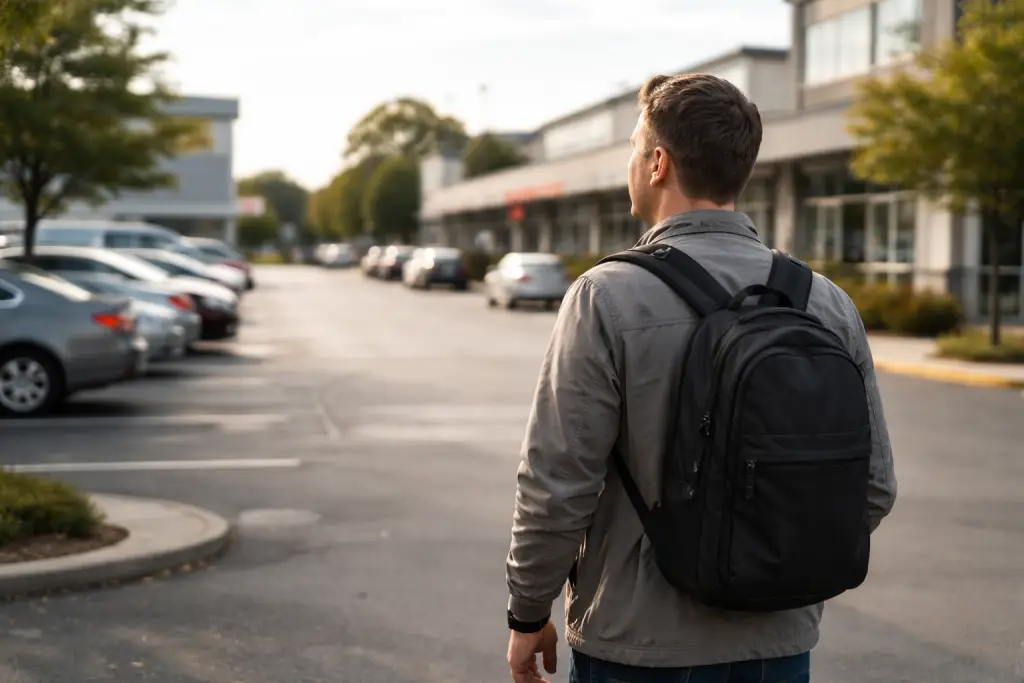
There’s a quiet shift happening that most people feel but don’t always know how to describe.
It’s not just crime statistics or headlines. It’s the shorter tempers, the distracted behavior, the way small disagreements escalate faster than they used to. People are more stressed, less patient, and quicker to react emotionally. That reality doesn’t require panic — but it does require attention.
In today’s environment, situational awareness is no longer optional. It’s the baseline.
Awareness Is Not Paranoia
Awareness gets misunderstood. Some people hear the term and picture someone jumpy, suspicious, or constantly on edge. That’s not awareness — that’s anxiety.
True awareness is calm, quiet, and deliberate. It’s simply paying attention on purpose.
An aware person isn’t looking for trouble. They’re observing their surroundings, noticing behavior, and staying mentally present. Awareness doesn’t make life tense; it makes it smoother. You spend less time surprised and more time in control.
Autopilot Is the Real Risk
Most incidents don’t happen because someone made a terrible decision. They happen because someone wasn’t really “there” at all.
Phones, earbuds, routines, and familiarity put people on autopilot. Parking lots, gas stations, building entrances, and transitional spaces are where attention drops — and where problems tend to appear.
Awareness doesn’t require scanning for threats. It requires lifting your head, looking around, and noticing what’s normal and what isn’t.
Awareness Is About Behavior, Not Appearances
One of the biggest mistakes people make is focusing on how someone looks instead of how they act.
Awareness means noticing:
Unusual movement or pacing
Someone paying too much attention to you or none at all
Changes in tone, posture, or distance
Situations that don’t match the environment
Your instincts are not magic — they’re pattern recognition. When something feels “off,” it’s often because your brain noticed something your conscious mind hasn’t sorted out yet.
Ignoring that signal is where people get into trouble.
Everyday Awareness Is Simple
This doesn’t require training, equipment, or special skills. It requires habits.
A few practical guidelines:
Keep your head up and your eyes moving
Identify exits without making a production of it
Avoid unnecessary distractions in transitional spaces
Maintain comfortable distance from strangers
Trust discomfort and give yourself permission to disengage
These small habits reduce risk without changing how you live your life.
Calm People See More
The goal of awareness isn’t to be ready for a fight. The goal is to never need one.
Prepared people are calmer because they’re paying attention. They’re harder to surprise, harder to rush, and harder to corner into bad decisions.
As we move into 2026, awareness isn’t a trend or a reaction. It’s a foundational life skill — one that supports everything else, from planning to personal protection to home defense.
Next time, we’ll talk about what awareness leads to: planning ahead so you don’t have to improvise under stress.